...
23-05-10

The Ultimate Guide to Creating a Strong Trademark

A trademark is a name, the identity of your business, product, or service. Just like how your parent...

Read More
...
23-05-10

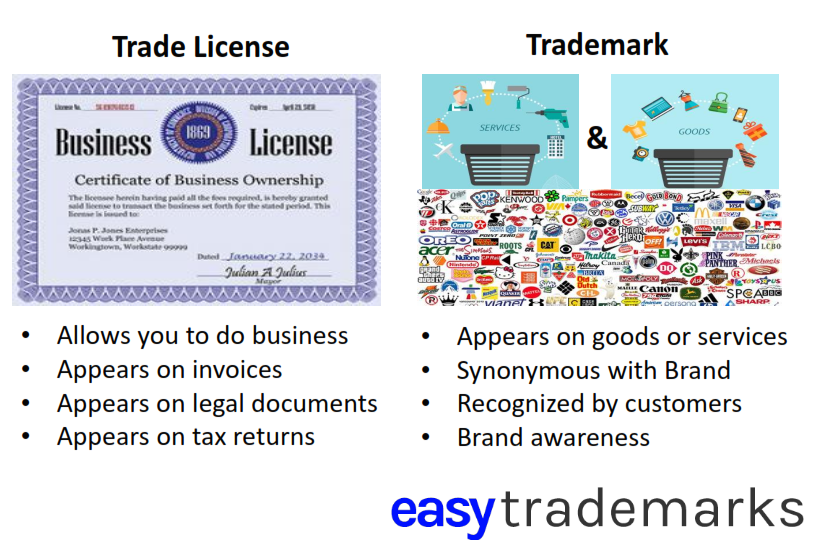
Understanding the Differences: Trade License vs. Trademark

Read More
...
23-05-10

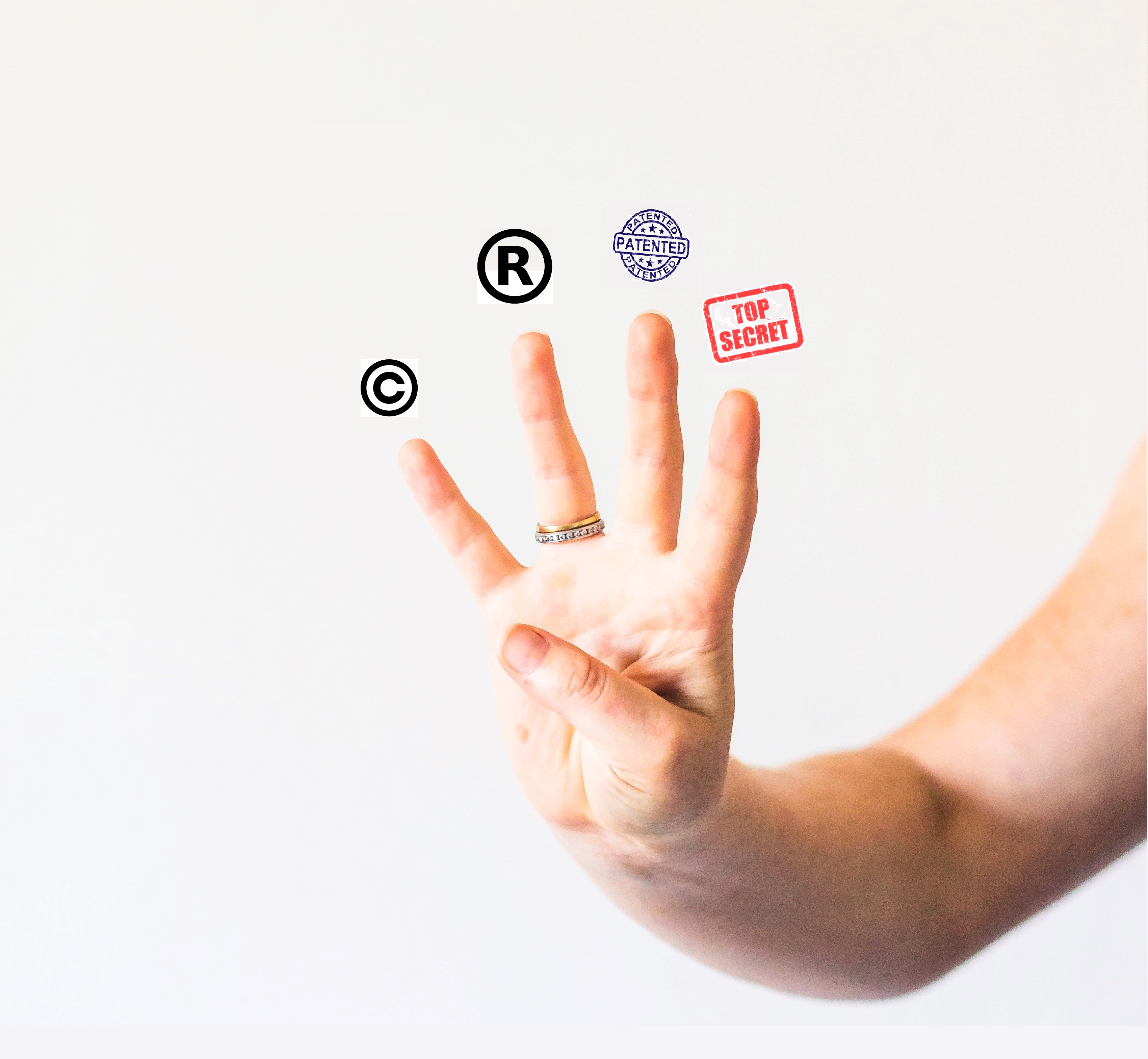
Four Key IP Types Every Startup Should Protect

Read More
...
23-05-10

Who is Eligible to Own the Trademark for "Christmas"?

Read More
...
23-05-10

Why Trademarking Your Name or Logo Should Be Your New Year Goal

Read More
...
23-05-10

The Power of Brand Awareness: Smart Ways to Build It

Read More
...
23-05-10

Trademarking Family Names: Should You or Shouldn't You?

Read More
See all blogs

Most Frequently Asked Questions

1. what is intellectual property ?

close open

Intellectual property - IP: refers to the legal rights that protect creations of the mind, such as inventions, literary and artistic works, symbols, names, images, and designs. The four main types of intellectual property are patents, trademarks, copyrights, and trade secrets. These rights are intended to encourage innovation and creativity by allowing creators, innovators, and inventors to control and benefit from the use of their work. By granting exclusive rights, intellectual property laws incentivize creators to invest time and resources in developing new ideas and creations, which can contribute to economic growth and progress. If you would like to learn more about intellectual property, you can check out our article: <a href="https://easy-trademarks.com/blog/four-types-of-ip-your-startup-must-protect">Four Types of IP your Startup Must Protect.</a>

Read More

2. What is a trademark?

close open

<p>A trademark is a type of intellectual property right that is afforded to brands in the form of a word, phrase, symbol, or design that identifies your goods and services and distinguishes brands from competitors. Read more on types of trademarks, how to protect them, and what rights you will receive. Trademarks include logos, names, phrases, sounds, colors, scents, and touch. They serve as a source identifier for consumers, allowing them to identify and associate a particular product or service with a distinct company. The product or service that the trademark is associated with is what is being established and distinguished by the trademark. So in simple terms, a trademark is a brand that is protected utilizing intellectual property law and identifies the source and quality of a product or service. A trademark gives you the exclusive right to use your mark and helps prevent competitors from using a mark that’s the same as or very similar to yours. For more information on trademarks and service marks, check out our <a href="https://www.easy-trademarks.com/blog/what-is-the-difference-between-a-trademark-and-a-service-mark">article</a>. Simply using a name, logo, or slogan in a business gives it some level of trademark protection, though these “common law” trademarks are hard to enforce and apply only in your immediate locality. You can get statewide trademark protection by registering your trademark with your state. But the strongest and most far-reaching trademark protection comes from registering your mark in the country you would like to operate in. Read more on why you should register your trademarks and trademark protection in the <a href="https://www.easy-trademarks.com/blog/federal-trademarks-vs-state-trademarks-vs-international-trademarks-in-the-usa">USA Federal Protection vs State Protection</a>.</p>

Read More

3. What is a copyright?

close open

Copyright (or author’s right) is a type of intellectual property and a legal term used to describe the rights that creators have over their literary and artistic works, ranging from books, music, paintings, sculpture, and films, to computer programs, databases, advertisements, maps, technical drawings, and certain other intellectual works. For someone to use a copyrighted work, they typically need to obtain permission from the copyright owner. This permission may come in the form of a license, which grants specific rights to use the work for a specified period and purpose. If someone uses a copyrighted work without permission, they may be liable for copyright infringement and have to pay damages to the copyright owner. The purpose of copyright is to promote creativity and encourage the creation of new works by giving authors the exclusive right to control how their works are used and distributed.

Read More

4. What is geographical indication?

close open

A geographical indication (GI) is a sign used on products that have a specific geographical origin and qualities or a reputation that is due to that origin. For a GI to function, a sign must identify a product originating in a given place. A geographical indication (GI) is a type of intellectual property right that defines a geographical source of a product or service by showing products with specific traits or a reputation that can be linked back to that location. GIs protect the standing of a product, such as a specific type of cheese or wine associated with a particular geographical region. The purpose of geographic indications is to guarantee to consumers that the product they are purchasing has specific qualities, characteristics, or reputation that are unique to the geographical region in which it is produced. GIs are protected under national or international laws, and their use is intended to benefit producers and consumers alike by ensuring that products are made according to specific standards and by promoting the value and identity of local and regional products. Check out our article about <a href="https://www.easy-trademarks.com/blog/why-is-brand-identity-so-important">brand identity.</a>

Read More

5. Are trademark and copyright the same thing?

close open

Trademarks and copyright are both forms of intellectual property, but they protect different types of assets and have registration requirements. Overall, copyright protects literary and artistic materials and works, such as books and videos, and is automatically generated upon the creation of the work. A trademark protects items that help define a company brand, such as a business logo or slogan, and requires more extensive registration through the government for the greatest legal protections. Trademarks protect brand names, logos, and other marks that identify and distinguish the source of goods or services, while copyrights protect original creative works of authorship, such as books, music, and artwork. The main difference between trademarks and copyrights is the type of intellectual property rights they afford. Trademarks are used to protect the branding and reputation of a company or product, while copyrights protect the creative expression of an idea. Trademarks provide exclusive rights to use a distinctive mark with goods or services, while copyrights give exclusive rights to reproduce, distribute, and display creative works. While both trademarks and copyrights are valuable forms of intellectual property, they serve different purposes and protect different types of creative works. <a href="https://www.easy-trademarks.com/blog/four-types-of-ip-your-startup-must-protect">Read more about other types of IP and how to differentiate them</a>.

Read More

6. What is a service mark?

close open

A service mark is a form of intellectual property protection. The mark prevents competing businesses from using names and insignias that could potentially confuse consumers. Unlike trademarks, which identify the source of goods, a service mark identifies the provider of a service and may consist of a word, phrase, symbol, design, or some combination of these elements. A service mark is a type of trademark used to identify and distinguish services provided by an individual or business. It can be a name, symbol, or other identifier used to represent the source of a particular service. Service marks are valuable for companies because they help to build and protect the brand identity of a service. A service mark is different from a trademark, which is used to identify and distinguish goods. While a trademark identifies a product, a service mark identifies the source of a service. By establishing a service mark and registering it with the appropriate authorities, businesses can differentiate themselves from competitors and build a reputation for quality and reliability. <a href="https://www.easy-trademarks.com/blog/what-is-the-difference-between-a-trademark-and-a-service-mark">To Read more about the difference between service marks and trademarks can be explored.</a>

Read More

7. What is the difference between a trademark and a service mark?

close open

A trademark is a word, phrase, symbol, or logo used to brand, identify, and distinguish a product. A service mark (or servicemark) is a word, phrase, symbol, or logo used to brand, identify, and recognize a service. The TM and SM designations are placed with trademarks and service marks to show that the owner has started the registration process. Both trademarks and service marks serve the purpose of protecting the brand and reputation of the mark holder and helping prevent others from using the same or similar marks for similar products or services. The legal requirements and processes for obtaining trademark or service mark protection are similar. However, the registration process may vary slightly for trademarks and service marks. <a href="https://www.easy-trademarks.com/blog/what-is-the-difference-between-a-trademark-and-a-service-mark">Further extensive analysis on the difference and impact of registering a Service mark vs a trademark can be accessed.</a>

Read More

8. What is a word mark?

close open

A word mark is a trademark typed in standard characters without regard to font, style, size, or color. In a trademark application for a word mark, you are essentially seeking registration of the wording (or lettering) without regard to its style, design, font, or graphic features. In other words, you are protecting the phrasing, not the logo.

Read More

9. Why do you protect a word mark?

close open

A word mark is a type of trademark that consists of a single word or combination of words used to identify and distinguish the goods or services of one company from those of another. Protecting a word mark can provide a number of benefits to a business. First, it helps to build and maintain brand recognition and goodwill with consumers. Second, registration of a word mark provides broader rights and basically protects the wording of the mark regardless of its style. Thus, applications for word marks do not claim rights to any particular font, style, size, or color. Applying for a word mark means you can vary the design aspects of the mark (e.g., style, upper/lower case, font) in use without causing a conflict with your trademark application, so long as the wording (e.g., spelling, number of words/terms, etc.) remains the same. If a company's trademark is registered, regardless of whether the mark is a word mark, slogan, or logo, the owner can take legal action and is entitled to remedies to prevent others from using the same or similar mark in connection with similar goods or services.

Read More

10. What is claiming colors?

close open

If you are filing for a design mark, you must decide whether or not you will claim colors. If color is not claimed, then the design mark should be filed and protected in black and white, but your usage of the design mark may be in any color. If color is reserved, then you must file a color version of the design mark and use the exact colors and color combination as those applied for in the application.

Read More
See all Faq’s

Templates & forms

15 Things About Running A Small Business in 2026 That Are The Same as 2006
6 May 2026, 12:18 am

A lot has changed in business over the past 20 years — but the real value often lies in understanding what hasn’t, and why those constants still shape performance today.

read more
See all articles

User Guide

...
All you need to know for a trademark registration in Oman

Discover the essential information and step-by-step process for registering a trademark in Oman with...

Read More
...
The ultimate guide to trademark renewals in Egypt

Are you looking to renew your trademark in Egypt? Discover the streamlined process and legal require...

Read More
...
All you need to know for trademark registration in Egypt

Discover the essential steps and requirements for trademark registration in Egypt. Ensure the legal...

Read More
See all guides

Our Community

SAIP

Saudi Authority for Intellectual Property aims to organize, support, sponsor, protect and promote intellectual property in the Kingdom of Saudi Arabia in accordance with global best practices. SAIP was established to house all Intellectual property protection procedures with specialized experts, judges, examiners and legal practitioners.

visit official site
SAIP

The Ministry of Industry, commerce and Tourism has been known throughout its long history by different names. The ministry is responsible for multiple matters relating to trade in Bahrain, specifically intellectual property matters. These activities include all intellectual property (IP) matters ranging from trademarks, service marks, industrial designs, copyrights, patents and domain names.

visit official site
SAIP

The Ministry of Economy in the United Arab Emirates (UAE) carries out the the General Development plan of the state through several projects which enhances and develops the UAE's competitiveness in the field of intellectual property and prepare for an environment that encourages research, development and innovation.

visit official site

SAIP

The foreign trade department at the ministry of commerce and industry is the authority responsible for developing activities concerned with regional and international programs, In addition to intellectual property matters, the department monitors internal and external commercial activity, local and foreign exhibitions, and promoting Kuwaiti exports in foreign markets, and strengthening Kuwait’s commercial and industrial relations with Arab and foreign countries and organizations.

visit official site

SAIP

The Ministry of Commerce and Industry is responsible for overseeing commercial and industrial activities for the State of Qatar, directing these activities in accordance with the requirements of national development. These activities include all intellectual property (IP) matters ranging from trademarks, service marks, industrial designs, copyrights, patents and domain names.

visit official site

SAIP

The Ministry of Commerce and industry in the sultanate of Oman is responsible for multiple matters relating to trade in Oman internal and external trade. These activities include all intellectual property (IP) matters ranging from trademarks, service marks, industrial designs, copyrights, patents and domain names.

visit official site
See all community
...
23-05-10

The Ultimate Guide to Creating a Strong Trademark

Read More
...
23-05-10

Understanding the Differences: Trade License vs. Trademark

Read More
...
23-05-10

Four Key IP Types Every Startup Should Protect

Read More
...
23-05-10

Who is Eligible to Own the Trademark for "Christmas"?

Read More
...
23-05-10

Why Trademarking Your Name or Logo Should Be Your New Year Goal

Read More
...
23-05-10

The Power of Brand Awareness: Smart Ways to Build It

Read More
...
23-05-10

Trademarking Family Names: Should You or Shouldn't You?

Read More
mouse

Curious to learn more?

Let's chat! Our team of experts are here to answer any questions you have

Email us License our tech Set up a meeting